
FIFA Proposes Controversial Age Limit for Women’s Olympic Football
FIFA is advocating for a significant change in the women’s Olympic football tournament, suggesting it be restricted to under-23 players. This proposal stems from worries about fixture congestion and the increasing workload on senior athletes.
The eligibility criteria for the upcoming 2028 Olympics in Los Angeles have already been established, meaning any changes won’t be possible until the 2032 Games in Brisbane at the earliest. However, sources from both FIFA and the International Olympic Committee (IOC) have indicated a willingness to engage in discussions regarding this matter.
While no formal proposal has been submitted yet, FIFA is keen to explore this idea with the IOC and other influential stakeholders, including players and national associations that frequently qualify for the Olympics. Implementing age restrictions would significantly transform the tournament, necessitating thorough analysis and consultation within both FIFA and IOC frameworks.
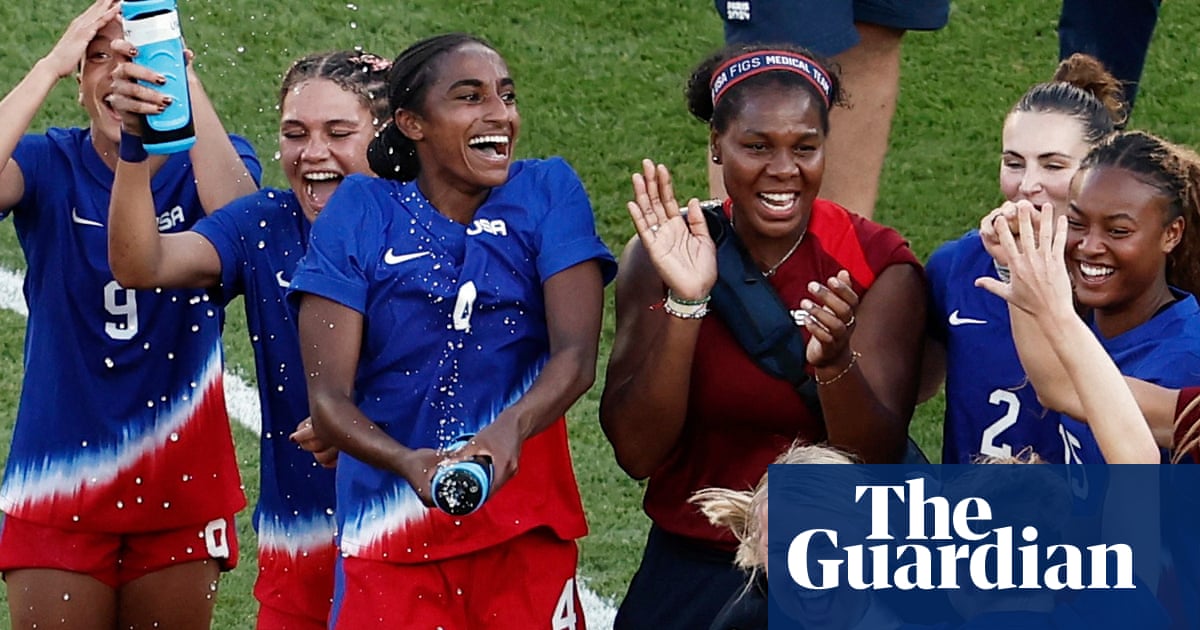
Such a move is likely to stir controversy, particularly among top international players who regard the Olympics as a pinnacle of their sport. The U.S. women's team, led by Emma Hayes, celebrated gold in Paris two years ago, underscoring the tournament's prestige, with the U.S. having claimed five of the eight Olympic titles contested.
Women's football has become a major draw for the IOC, especially in lucrative markets like the U.S., Europe, and Australia, and they may be hesitant to embrace FIFA's proposal. Women's football made its Olympic debut in Atlanta in 1996 and was unique at the time for having no eligibility restrictions, unlike the men’s game.
The IOC originally allowed professionals in the Olympics in 1984 after FIFA insisted on preserving the World Cup's significance. In response to FIFA's concerns about player commitments, the IOC introduced an under-23 age limit in 1992, permitting three overage players on each squad since 1996.
The explosive growth and professionalization of women’s football over the past decade have led to mounting fixture congestion, with the 2028 calendar shaping up to be the busiest yet. FIFA has contributed to this situation by scheduling the Women’s Club World Cup in the same year as the Olympics, set to take place in the U.S. from January 5 to 30, just six months before the Games.
The Women’s Club World Cup is expected to disrupt the European club season significantly. Top clubs like Arsenal and Chelsea or Manchester City could miss crucial domestic matches if they progress deep into the tournament, potentially sitting out four Women’s Super League games and the FA Cup fourth round.
Interestingly, the upcoming Olympic tournament in Los Angeles will mark a historic moment, as the women’s event will feature 16 teams, surpassing the men's tournament, which will have 12 teams—an inversion of the numbers seen at Paris 2024.
Both FIFA and the IOC have chosen not to comment on these developments.